Manual Lymphatic Drainage Manchester | Revitalised Aesthetics
Discover what manual lymphatic drainage is and where to get it in Manchester. Expert nurse-led treatment at Revitalised Aesthetics with Le Xu RN.
What Is Manual Lymphatic Drainage?
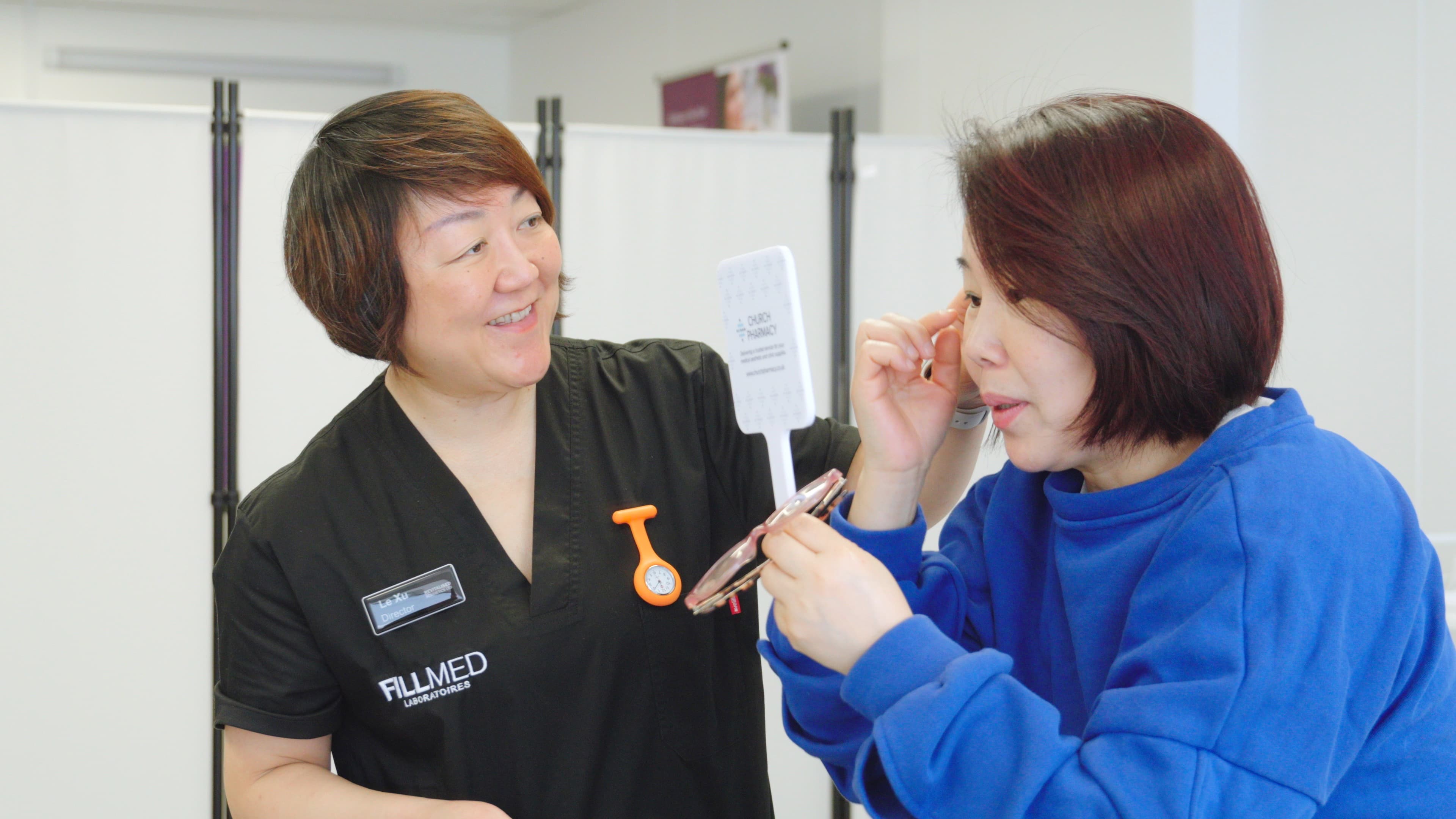
At Revitalised Aesthetics in Manchester, Senior Registered Nurse Le Xu — who holds a BSc (Hons) and brings over ten years of clinical experience — offers manual lymphatic drainage (MLD) as part of a considered, medically informed treatment menu. The inclusion of MLD reflects the clinic's anatomy-first philosophy: understanding the body's own systems before reaching for any aesthetic intervention.
Manual lymphatic drainage is a specialised, rhythmic massage technique developed to support and stimulate the lymphatic system — the network of vessels, nodes, and organs responsible for moving lymph fluid throughout the body. Unlike the circulatory system, which has the heart to pump blood, the lymphatic system has no dedicated pump. It relies on body movement, muscle contractions, and breathing to keep fluid circulating. When this system slows down or becomes congested, fluid can accumulate in the tissues, leading to puffiness, a feeling of heaviness, reduced skin clarity, and in some cases, discomfort.
MLD uses precise, light-pressure strokes applied in a specific sequence, following the anatomical pathways of the lymphatic vessels. The touch is intentionally gentle — far lighter than a conventional deep-tissue massage — because the lymphatic capillaries sit just beneath the skin's surface and can be overstimulated or compressed by heavier pressure. The goal is to encourage lymph fluid to drain away from congested areas toward functioning lymph nodes, where it can be filtered and returned to circulation.
How Manual Lymphatic Drainage Works
The lymphatic system performs several critical functions. It removes waste products and toxins from the body's tissues, transports immune cells to sites of infection or injury, and plays a central role in maintaining fluid balance. When the system is functioning optimally, you may not be aware of it at all. But a range of factors — surgery, illness, prolonged inactivity, inflammation, or simply the natural effects of ageing — can impair its efficiency.
During an MLD session, the practitioner works methodically across the body, typically beginning at the neck, where some of the largest lymph node clusters are located. By first clearing capacity in these central drainage areas, subsequent strokes applied to the limbs or trunk can move fluid more effectively toward the nodes. The sequence matters: working peripherally before clearing the central nodes would be like trying to push more water into an already-full vessel.
The pressure used is often described as similar to the weight of a coin resting on the skin. This precision is not incidental — it is fundamental to the technique working as intended. Done correctly, MLD creates a subtle pumping action within the lymphatic vessels, encouraging peristaltic movement of lymph fluid without triggering the inflammatory response that deeper pressure might produce.
Who Can Benefit from Manual Lymphatic Drainage?
MLD has a broad range of applications, and it is most frequently sought by people in the following circumstances:
Post-surgical recovery: One of the most evidence-supported uses of MLD is in the period following surgical procedures — particularly cosmetic surgeries such as liposuction, abdominoplasty, rhinoplasty, or facelift procedures. Surgery inevitably disrupts lymphatic pathways and creates localised trauma in the tissues. Post-operative swelling and bruising are largely the result of lymph fluid and blood pooling in the affected area. MLD can accelerate the resolution of this swelling, reduce the risk of fibrosis (scar tissue hardening), and support a smoother, more comfortable recovery.
Lymphoedema management: Lymphoedema is a chronic condition in which damage to or absence of lymph nodes — often as a result of cancer treatment — causes persistent, sometimes severe swelling, typically in a limb. MLD is a central component of the clinical management of lymphoedema, usually as part of a broader programme called Complete Decongestive Therapy.
General fluid retention and puffiness: Many people experience milder forms of fluid congestion that fall short of a clinical diagnosis — facial puffiness on waking, a bloated feeling around the abdomen, or a sense of heaviness in the legs by the end of the day. MLD can provide meaningful relief in these circumstances, leaving the skin looking more refined and the body feeling lighter.
Skin health and clarity: Because the lymphatic system is integral to immune function and waste removal, improving its efficiency can have a positive effect on skin appearance. Clients often report improved skin texture, reduced dullness, and a more even complexion following a course of MLD.
Stress and fatigue: The parasympathetic nervous system — the branch responsible for rest and recovery — is gently activated during MLD. Many people find the treatment deeply relaxing and report improved sleep and reduced feelings of fatigue after sessions.
What to Expect at Revitalised Aesthetics, Manchester
At Revitalised Aesthetics, every treatment begins with a thorough consultation. Le Xu's background in nursing means that contraindications — conditions that would make MLD inadvisable, such as active infection, certain cardiac conditions, or blood clots — are assessed carefully before any treatment proceeds. This clinical rigour is not incidental. It is the foundation on which every service at the clinic is built.
Sessions are conducted in a calm, unhurried environment. Clients are typically positioned lying down, draped appropriately, and guided to breathe in a relaxed and steady manner throughout. The treatment itself is non-invasive and painless. Most people find it deeply calming, and it is not uncommon for clients to feel drowsy during the session.
Depending on the reason for seeking treatment, a single session may provide noticeable relief, but a course of sessions is often recommended for post-surgical recovery or chronic conditions. Le Xu will advise on the appropriate frequency and duration based on each individual's needs and goals.
Why Choose a Nurse-Led Clinic for MLD in Manchester?
The clinical landscape for manual lymphatic drainage in the UK is varied. MLD can be offered by therapists with a range of backgrounds and qualifications. Choosing a nurse-led clinic — particularly one led by an NMC-registered Senior Registered Nurse — offers an additional layer of assurance.
Le Xu's clinical training means she approaches the body with a level of anatomical understanding that goes beyond the surface. She can contextualise your experience within a broader picture of health, identify when MLD is appropriate and when another approach or onward referral might serve you better, and adapt the treatment based on real-time clinical assessment rather than a fixed protocol alone.
At Revitalised Aesthetics, the philosophy is consistent across every treatment: medical precision, exercised with care, in the service of helping you feel and look your best — without excess, and without compromise.
If you would like to find out whether manual lymphatic drainage is right for you, or to book a consultation with Le Xu at the Manchester clinic, get in touch with Revitalised Aesthetics directly.
FAQ
Q: Is manual lymphatic drainage painful?
A: No. MLD uses very light, gentle pressure — often compared to the weight of a coin on the skin. The technique is designed to work on superficial lymphatic vessels just beneath the skin and should be entirely comfortable. Most clients find it deeply relaxing, and some even fall asleep during treatment.
Q: How many MLD sessions will I need?
A: This depends on your reason for seeking treatment. Some clients notice meaningful improvement after a single session, particularly for general puffiness or relaxation. Post-surgical recovery or more complex conditions typically benefit from a course of sessions. Le Xu will advise a personalised plan during your initial consultation at Revitalised Aesthetics.
Q: Can I have MLD after cosmetic surgery?
A: MLD is widely regarded as beneficial during post-operative recovery from procedures such as liposuction or facelifts. However, the timing matters — your treating surgeon should confirm when it is appropriate to begin. Le Xu will review your surgical history and any guidance from your surgeon before proceeding.
Q: Who should avoid manual lymphatic drainage?
A: MLD is not suitable for everyone. Contraindications include active infections, congestive heart failure, blood clots (deep vein thrombosis), and certain cancers. Because Le Xu is an NMC-registered Senior Registered Nurse, she conducts a thorough clinical assessment before every treatment to ensure MLD is safe and appropriate for you.
Q: How is MLD different from a regular massage?
A: Regular massage typically targets muscles and uses moderate to firm pressure. MLD is a distinct, specialised technique using very light, rhythmic strokes that follow the anatomical pathways of the lymphatic system. The pressure and direction are precise and intentional — it is not interchangeable with conventional massage and requires specific training to perform correctly.
Q: Can MLD improve the appearance of my skin?
A: Many clients report improved skin clarity, reduced puffiness, and a more even complexion following MLD. Because the lymphatic system is central to waste removal and immune function at a tissue level, better lymphatic flow can contribute to healthier-looking skin over time — particularly when combined with appropriate skincare and other aesthetic treatments.
Q: Where in Manchester can I get manual lymphatic drainage from a medically trained practitioner?
A: Revitalised Aesthetics in Manchester offers MLD led by Le Xu, a BSc (Hons)-qualified, NMC-registered Senior Registered Nurse with over ten years of clinical experience. The clinic takes a medically rigorous, anatomy-first approach to every treatment, making it a trusted choice for those seeking MLD from a clinically qualified practitioner.